
Pain after a crash can take days to show up
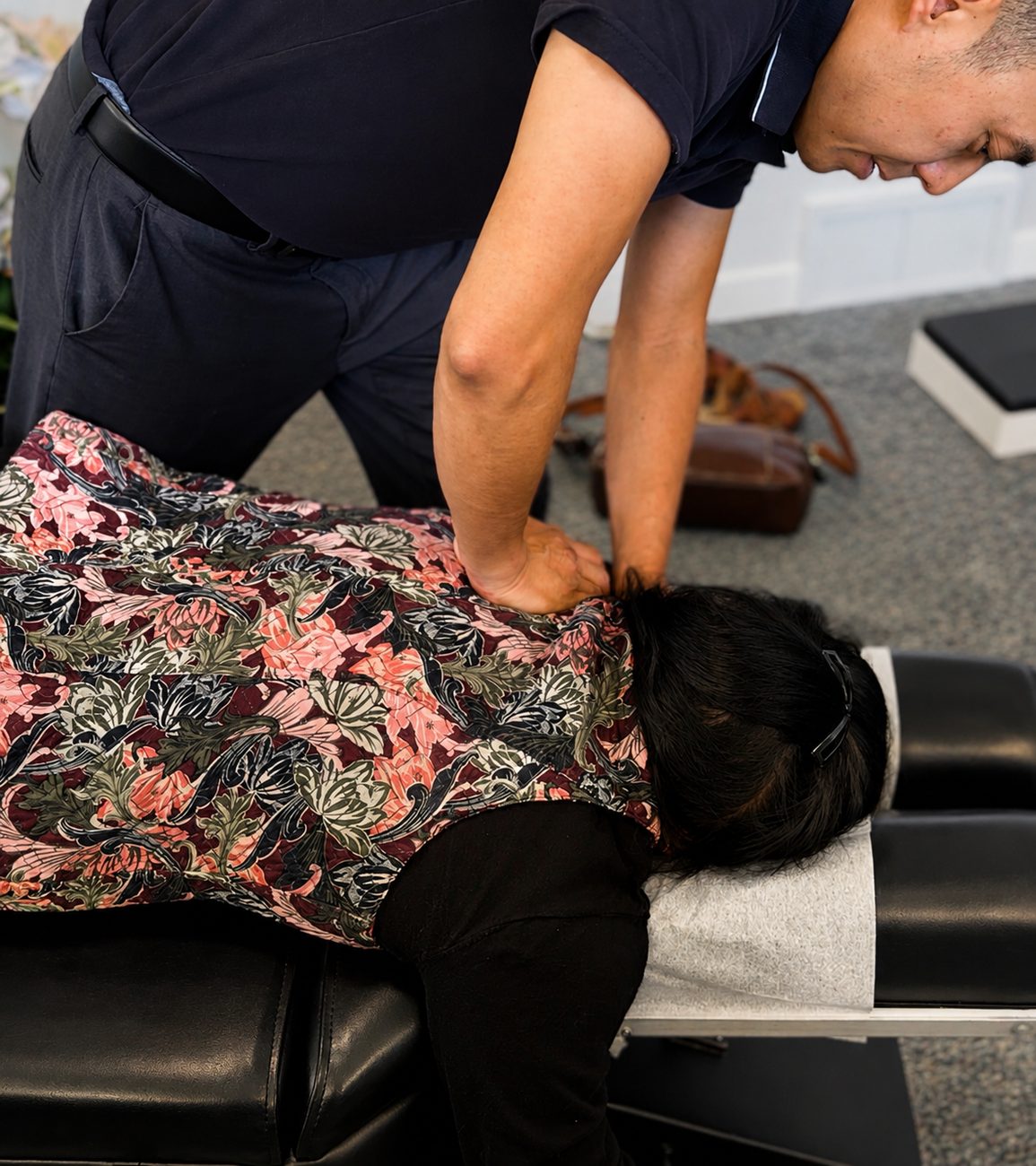
In the first minutes after a collision, adrenaline can hide an injury. By the time the soreness settles in — often 24 to 72 hours later — the gap between your crash and your first visit is already in the records, and it's the kind of thing insurers and attorneys look at. A same-week exam catches what's there early, puts it in writing, and gives you a plan before small problems grow.
We evaluate first, then tell you what we see — in writing. No outcome promises.
What you might feel after a crash
Common patterns we see — not a diagnosis. We evaluate every person individually.
Whiplash & neck pain
The most common crash injury. Your head snaps forward and back faster than your neck can brace for it. You might feel stiffness, a deep ache, trouble turning your head, or pain creeping up to the base of your skull — often a day or two later.
Headaches after a crash
New or worsening headaches are common after a collision, often starting at the base of the skull or behind the eyes. They can come from neck strain, muscle tension, or the jolt itself. If a headache started after your crash, it's worth getting checked.
Back pain — lower and mid-back
A crash loads your spine in ways everyday life doesn't. Lower-back aching, mid-back or rib soreness from the seatbelt, or pain that flares when you sit, stand, or bend are all common in the days afterward.
Shoulder & seatbelt soreness
The seatbelt does its job — but the strap can leave the shoulder, collarbone, and chest sore, especially on the side that was holding the wheel. A lingering stiffness or deep ache here is worth a look.
Dizziness, brain fog & trouble focusing
Feeling foggy, off-balance, more forgetful, or just "not yourself" after a crash can be more than stress. These symptoms deserve a careful look — and if they need a different kind of provider, we'll tell you and help you get there.
Numbness or tingling in an arm or leg
Pins-and-needles, numbness, or weakness running into an arm or leg can mean a nerve is irritated. This is one to get evaluated sooner rather than later.
"I feel fine" — why that can be misleading
Soft-tissue injuries often don't hurt right away. Adrenaline masks them for a day or two, and then they settle in. Feeling okay today doesn't mean nothing happened — it's exactly why a same-week check is worth it. If your situation isn't listed above, we still want to hear from you. Tell us what happened.
How we help you recover
Every plan starts with an exam — then we use the tools that fit your injury. We explain what each one is for, and we don't add what you don't need.
Chiropractic care
Hands-on adjustments to restore movement and ease joint and nerve irritation.
Physical therapy (physiotherapy)
Guided rehab to rebuild strength and motion in the injured area.
At-home exercise program
Simple exercises to keep your recovery going between visits.
Therapeutic stretching
Assisted stretching to loosen tight, guarded muscles after impact.
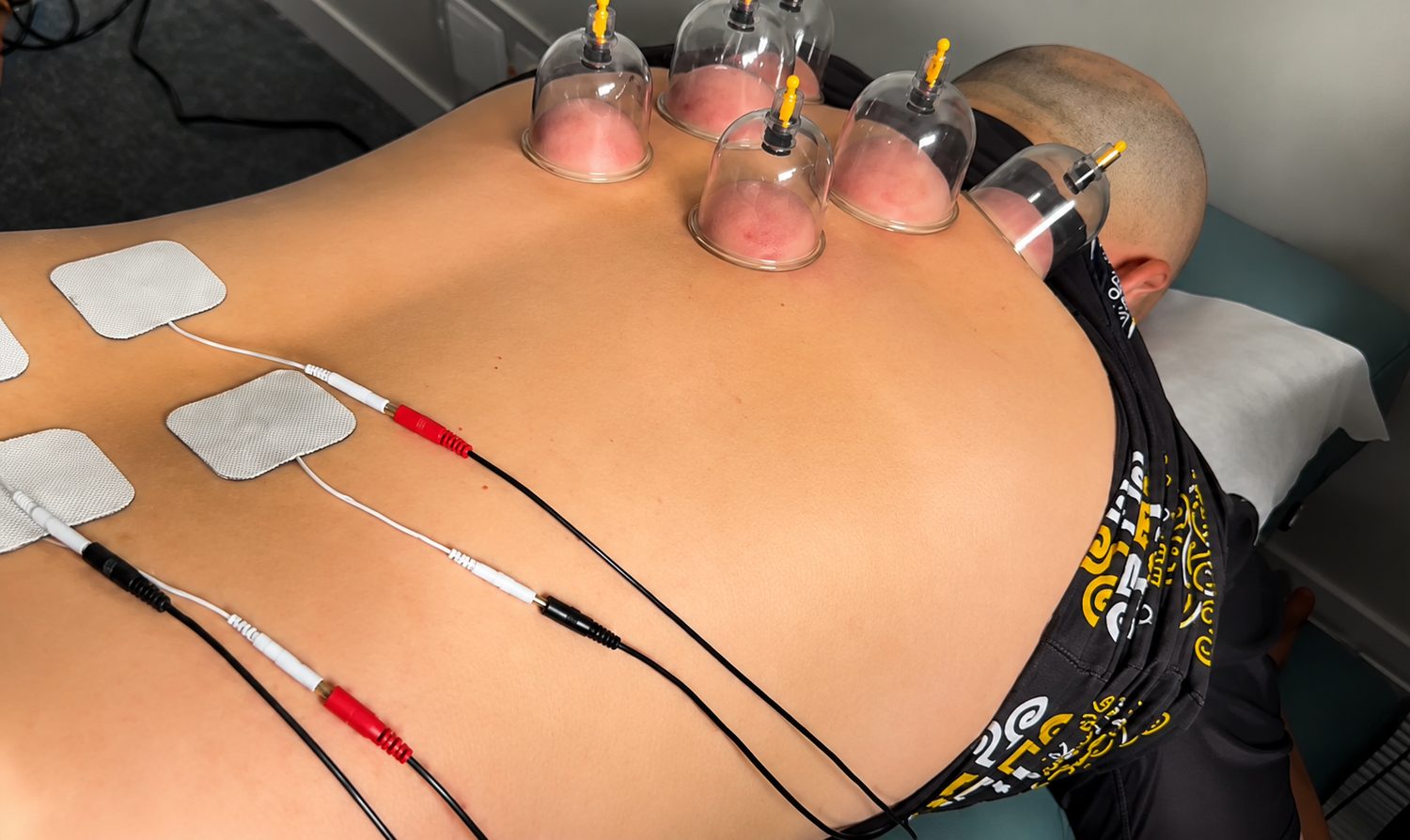
Electrical muscle stimulation (EMS)
Gentle electrical pulses to calm muscle spasm and ease pain.
Moist heat / hot packs
Warm packs to relax tight muscles and improve comfort.
Cupping
Suction cups to ease muscle tension and support soft-tissue recovery.
Mechanical traction
A gentle, controlled stretch of the spine to take pressure off irritated discs and nerves.
What this costs you
Most crash patients pay $0 out of pocket. In Minnesota, no-fault (PIP) covers care after an auto accident, and we bill your auto insurer directly. Working with an attorney? We can bill on lien and document everything they need. If we're not the right fit — financially or clinically — we say so and refer you.
Request a callback
We'll reach out within business hours (Mon–Fri 9a–6p). If it's after hours, we follow up the next morning. Your information stays with the clinic.
⏱ Typical response time during business hours: 1–2 hours. In a hurry? Call (651) 202-3178 directly.
Quick questions
How long after a crash can symptoms show up?
Often 24–72 hours. Soft-tissue injuries are commonly masked by adrenaline at first, then settle in over the next day or two.
Do I need a referral?
No. You can come straight to us — no referral needed.
Will my insurance cover this?
In Minnesota, no-fault (PIP) usually covers care after an auto accident — most patients pay $0 out of pocket. We verify your benefits and bill your insurer directly.
What if chiropractic isn't the right fit for my injury?
We tell you, and we refer you to the right provider — medical, orthopedic, or PT. We don't keep patients we can't help.
Do you speak Hmong?
Yes. Front desk is bilingual English / Hmong. Just let us know.